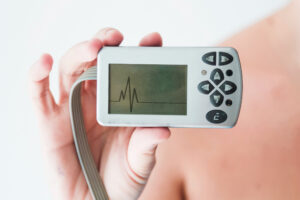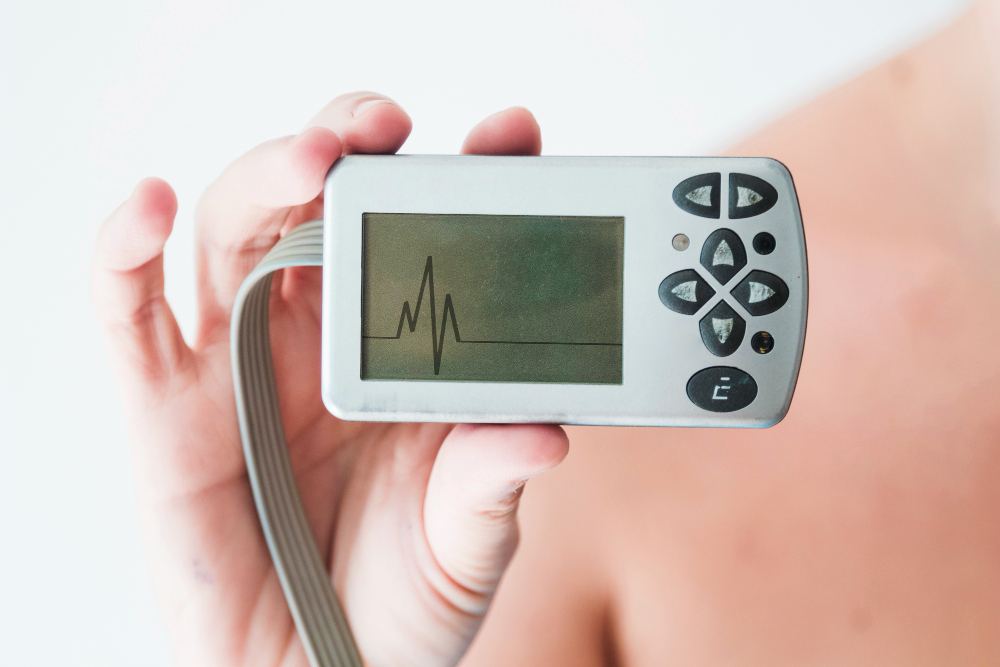
A Holter monitor is a small, wearable device that records your heartbeat for 24 to 48 hours. Unlike a short ECG done in a clinic, this device tracks your heart rhythm as you go about your daily life. Because some heart problems come and go, continuous heart rhythm recording helps doctors find issues that may not show up during a brief test. If you are searching for a “Holter monitor test near me,” this guide will help you understand what to expect.
What Is a Holter Monitor?
Simply put, a Holter monitor is a portable device that records your heart’s electrical activity. It is about the size of a small camera and attaches to your chest with sticky patches called electrodes. Since it works while you do normal activities, it gives a clear picture of your heart’s rhythm over time.
Why Is a Holter Monitor Used?
Doctors use a Holter monitor when they need more information about your heart rhythm. Sometimes, symptoms like fainting or palpitations happen only once in a while. Therefore, a longer recording helps catch these events. In addition, it can help check if your heart medicines are working well.
How Does a Holter Monitor Work?
After the device is attached, it records your heart’s electrical signals non-stop. Because it is small, you can wear it under your clothes. The device stores all the data, which your doctor reviews later. For example, if you feel dizzy, you can press a button to mark the time. This helps your doctor match your symptoms with your heart rhythm.
Who Needs a Holter Monitor?
Not everyone needs a Holter monitor. However, your doctor may suggest it if you have symptoms that come and go. These can include feeling faint, having a fast or slow heartbeat, or feeling skipped beats. Children and adults can both use this test.
What to Expect During 24–48 Hour Monitoring
First, a nurse or technician will place the electrodes on your chest. Then, you will wear the monitor for 24 to 48 hours. During this time, you should go about your usual activities. However, you should avoid getting the device wet. If you feel any symptoms, you can write them in a diary or press a button on the monitor. After the test, you return the device to your doctor for review.
Common Symptoms and Conditions Detected
Holter monitors can help find many heart rhythm problems. For instance, they can spot skipped beats, fast or slow heart rates, and pauses in your heartbeat. According to the CDC, these issues can lead to fainting, chest pain, or even stroke if not treated.
How to Prepare for Holter Monitoring
Before your Holter test procedure, your doctor will explain what to do. Usually, you do not need to change your diet or stop medicines unless told. However, you should wear loose clothing for easy access to your chest. In addition, avoid using lotions or oils on your skin before the test, as these can affect the electrodes.
Tips for Wearing a Holter Monitor Comfortably
Wearing a Holter monitor should not hurt, but it may feel odd at first. To help you stay comfortable, try these tips. First, wear loose clothing to hide the wires. Next, avoid activities that could pull off the electrodes. Also, sleep on your back if possible to keep the device in place.
Understanding Your Results
After you finish the test, your doctor will review the heart rhythm recording. They will look for any abnormal patterns or skipped beats. Sometimes, your doctor may compare your diary notes with the recorded data. This helps them see if symptoms match changes in your heart rhythm. Based on the results, your doctor will decide if you need more tests or treatment.
Safety and Risks
Holter monitors are safe for most people. Because the device only records your heartbeat, it does not send any electricity into your body. Some people may get mild skin irritation from the sticky electrodes. However, this usually goes away after the test. If you have sensitive skin, let your doctor know before the test.
Frequently Asked Questions
Can I shower while wearing a Holter monitor?
No, you should not get the device wet. Shower before your appointment and wait until after the test to bathe.
Will the Holter monitor hurt?
No, wearing the device should not cause pain. You may feel mild discomfort from the sticky patches.
Can I exercise with a Holter monitor?
Yes, you should do your usual activities unless your doctor says otherwise. However, avoid activities that may pull off the electrodes.
How do I find a Holter monitor test near me?
Many hospitals and clinics offer this test. Ask your doctor or search online for “Holter monitor test near me.” Always choose a trusted healthcare provider.
Is a Holter monitor the same as a 24-hour heart monitor?
Yes, both terms mean the same thing. Some tests last 24 hours, while others may go up to 48 hours.