What is Coronary Angioplasty & Stenting?
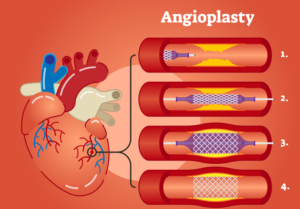
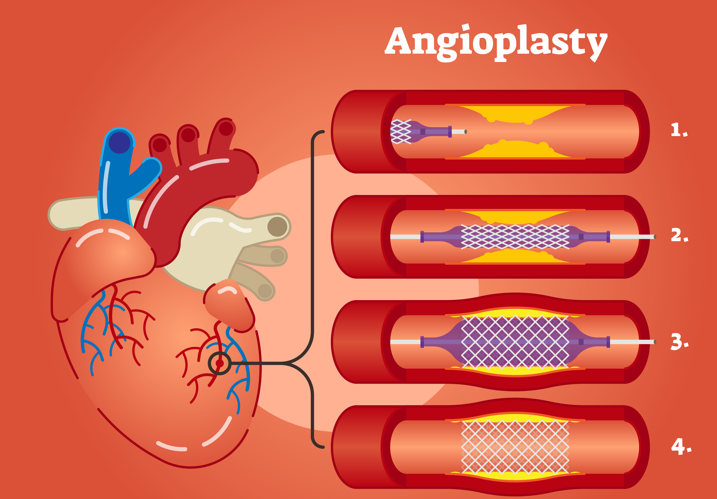
Coronary angioplasty and stenting are minimally invasive heart procedures. They help restore blood flow to the heart. Doctors use these treatments when heart arteries become blocked or narrowed. During angioplasty, a thin tube called a catheter is guided to the blocked artery. Then, a small balloon is inflated to open the artery. Often, a tiny mesh tube called a stent is placed to keep the artery open. This process is also known as cardiac stent placement. As a result, blood can flow more easily to the heart muscle.
Symptoms and Causes of Blocked Heart Arteries
Blocked heart arteries can cause many symptoms. However, some people may not notice any signs at first. Common symptoms include:
But what causes these blockages? Usually, fatty deposits called plaque build up inside the arteries. Over time, this narrows the space for blood to flow. High cholesterol, high blood pressure, smoking, diabetes, and lack of exercise can increase your risk. In some cases, a sudden blockage can cause a heart attack.
How is Coronary Angioplasty Performed?
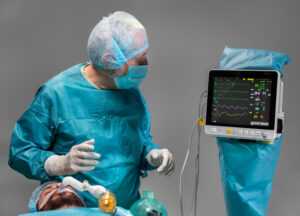
First, doctors give you medicine to help you relax. Then, they numb the area, usually in your wrist or groin. A thin tube (catheter) is inserted into a blood vessel. Next, the doctor guides the catheter to the blocked heart artery using X-ray images. Once in place, a small balloon at the tip of the catheter is inflated. This pushes the plaque aside and opens the artery. Often, a stent is placed to keep the artery open. The balloon is then deflated and removed, but the stent stays in place. The whole procedure usually takes one to two hours. Most people are awake but comfortable during the process.
Benefits and Risks of Angioplasty & Stenting
Coronary angioplasty and stenting offer many benefits. For example, they can quickly restore heart blood flow and relieve chest pain. In addition, these procedures are less invasive than open-heart surgery. Recovery is usually faster, and hospital stays are shorter. However, there are some risks to consider. These may include:
Still, most people have a safe and successful outcome. According to the American Heart Association, angioplasty is effective for many patients. But, your doctor will discuss the risks and benefits with you before the procedure.
Recovery and Aftercare Tips
After angioplasty and stenting, you will need some time to recover. Usually, you stay in the hospital for a day or two. While you may feel tired at first, most people return to normal activities within a week. Here are some helpful aftercare tips:
Moreover, let your doctor know if you notice chest pain, shortness of breath, or unusual symptoms. Early care can prevent problems.
Prevention and Lifestyle Guidance
Even after a successful angioplasty, it is important to protect your heart. Making healthy lifestyle changes can lower your risk of future blockages. For instance, you can:
Additionally, regular check-ups help monitor your heart health. The World Health Organization recommends these steps to prevent heart disease and improve quality of life.
In summary, coronary angioplasty and stenting are effective ways to restore blood flow to the heart. They can relieve symptoms and help you return to daily life. However, ongoing care and healthy habits are key for long-term heart health. Consult a cardiologist for personalized advice on coronary angioplasty and heart health.