What is EP Ablation?
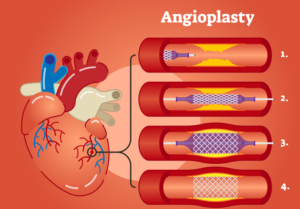
EP Ablation, or electrophysiology ablation, is a heart rhythm treatment. Doctors use this procedure to treat abnormal heartbeats, also called arrhythmias. During EP ablation, a doctor uses thin wires called catheters. These catheters deliver energy to small areas of heart tissue. As a result, the abnormal signals causing the irregular heartbeat are stopped. Many people find relief from symptoms after this treatment.
Common Symptoms and Heart Rhythm Problems Treated by EP Ablation
People who need EP ablation often have symptoms like:
EP ablation treats several heart rhythm problems, such as:
For example, if you have ongoing symptoms despite medication, your doctor may suggest EP ablation.
Causes and Risk Factors for Needing EP Ablation
Many things can cause heart rhythm problems. Some common causes include:
However, not everyone with these risk factors will need EP ablation. Sometimes, arrhythmias happen without a clear cause.
How EP Ablation is Diagnosed and When It Is Recommended
Doctors use several tests to diagnose heart rhythm problems. These may include:
Once your doctor finds the cause, they may recommend EP ablation if:
In many cases, EP ablation offers a long-term solution for certain arrhythmias.
The EP Ablation Procedure: What to Expect Before, During, and After
Before the Procedure
First, your doctor will explain the EP ablation procedure. You may need to stop some medicines. You should not eat or drink for several hours before the procedure. Your care team will check your health and answer your questions.
During the Procedure
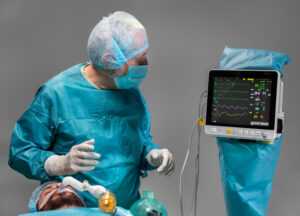
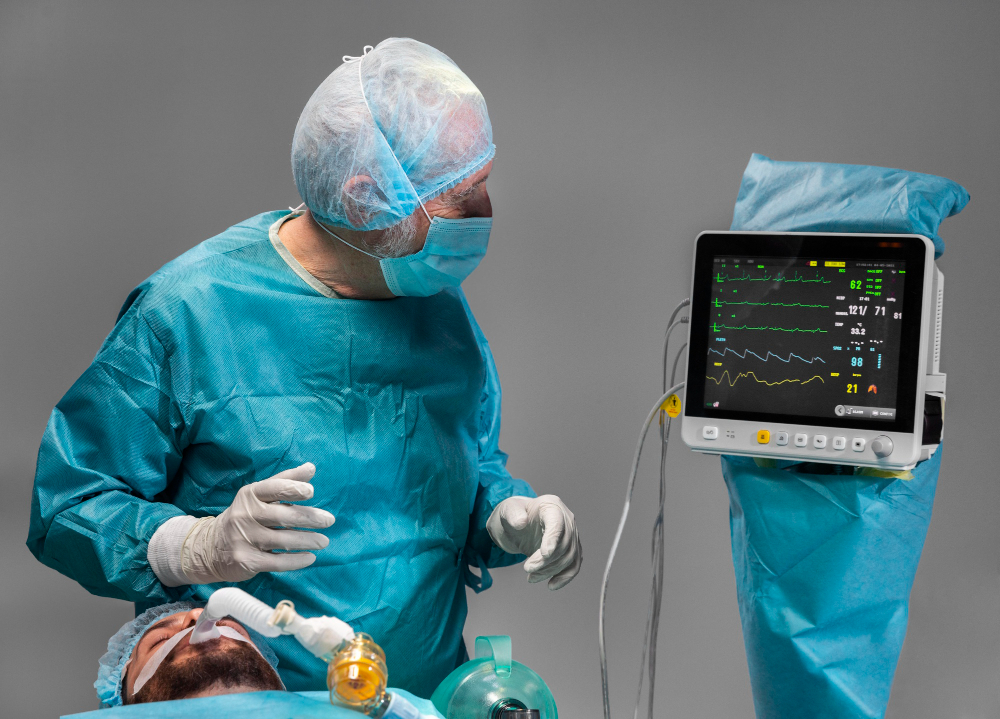
Next, you will lie on a table in a special lab. The doctor will numb an area, usually in your groin. Then, thin catheters are guided through your blood vessels to your heart. Using special equipment, the doctor finds the area causing the abnormal rhythm. Energy is sent through the catheter to treat the tissue. The whole process may take two to four hours.
After the Procedure
Afterward, you will rest while your care team watches for any problems. Most people go home the same day or the next morning. You may feel tired, but most return to normal activities within a few days.
Benefits and Potential Risks of EP Ablation
EP ablation has many benefits, including:
However, every procedure has risks. Possible risks include:
Still, most people have few problems, and serious risks are rare. The American Heart Association and CDC report high success rates for EP ablation.
Recovery, Aftercare, and Lifestyle Guidance Post-Procedure
After EP ablation, you should:
Most people return to work and daily life quickly. However, you should call your doctor if you notice chest pain, fever, or unusual swelling.
Prevention Tips for Heart Rhythm Disorders
While not all arrhythmias can be prevented, you can lower your risk by:
For example, regular check-ups help catch heart problems early.
Conclusion
In summary, EP ablation is a safe and effective heart rhythm treatment for many people. If you have symptoms or concerns about your heartbeat, consult a cardiologist for personalized advice about EP ablation.