What Are Fainting Spells (Syncope)?
Fainting spells, also called syncope, happen when you suddenly lose consciousness for a short time. Often, this is because your brain does not get enough blood. While many things can cause fainting, sometimes the reason is serious. In fact, fainting spells caused by heart problems need special attention. According to the World Health Organization, heart-related syncope can be a sign of an underlying heart issue.
Common Heart-Related Causes of Fainting
Not all fainting spells come from heart problems. However, some do. When your heart cannot pump blood well, your brain suffers. As a result, you may faint. Below are some cardiac causes of fainting:
Sometimes, these conditions can be life-threatening. Therefore, it is important to know the risks.
Recognizing the Symptoms
Many people feel warning signs before fainting. Yet, some faint without notice. Watch for these symptoms of heart syncope:
For example, if you faint while active, it may point to a heart cause. In addition, fainting without warning is more concerning. If you notice these signs, seek medical help quickly.
How Doctors Diagnose Heart-Related Syncope
Doctors use several steps to find the cause of fainting. First, they ask about your health history. Next, they perform a physical exam. Then, they may order tests such as:
Sometimes, doctors use a tilt table test. This helps them see how your body reacts to changes in position. In many cities, hospitals have special heart centers for these tests. Always let your doctor know if you have a family history of heart disease.
Treatment Options for Heart-Related Fainting Spells
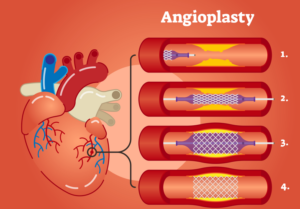
Treating heart-related syncope depends on the cause. For instance, if you have an abnormal rhythm, you may need medicine or a device. Some common treatments include:
After treatment, your doctor will monitor you closely. In addition, they may suggest regular check-ups to prevent future episodes.
Lifestyle Tips and Prevention
There are steps you can take to help prevent fainting from heart issues. Although not all causes can be avoided, these tips may help:
If you live in a rural area, know where the nearest heart care center is located. For those with known heart conditions, always carry a list of your medicines. That way, emergency teams can help you faster if you faint.